
Your core process lives in Excel files
Quotes, schedules and approvals run through spreadsheets that circulate by email. Often only one person knows which version is current, and every report starts with copying data together.
Custom software for businesses
We build internal tools, operational platforms and SaaS products for companies whose processes do not fit into standard software. You speak directly with the two founders who design your application and write the code themselves. The code belongs to you, is documented and can be handed over to another team.
Typical starting points
Custom software is not an end in itself. It pays off where a core process carries your business and your current tools can only handle it through detours.
Quotes, schedules and approvals run through spreadsheets that circulate by email. Often only one person knows which version is current, and every report starts with copying data together.
The tool you bought covers the standard case, and everything else is handled with custom fields, export lists and notes. Your team works around the software instead of with it, and new employees mostly learn the workarounds.
New requirements keep coming, and the existing application should be extended rather than replaced. For Deutsche Bahn, we support the ongoing development of a digital signage application whose Directus CMS and Next.js frontend are gaining new features.
The domain concept is in place, but user accounts, billing and reliable operations are missing. For Prevision UG, we built Komplify as a bilingual SaaS platform with domain management, multi-level website scans and Stripe billing through subscriptions and credits.
What we build
Every application is shaped differently, but certain building blocks appear in almost every project. We deliver them as working software, not as a concept document.
You get forms, lists and status workflows for the process that currently lives in spreadsheets. At Agilico, teams create quotations with customer and agency contacts and schedule print and digital placements in calendars and exportable publication plans.
Key figures and trends appear where decisions are made, not only in a monthly export. In the Komplify dashboard, users follow their score over time, compare scans and export reports as PDF or CSV.
Who may view, change and approve what is defined in the system, not in an informal agreement. Where required, an audit trail records changes to critical data. The Agilico platform, for example, is role-based throughout.
We build sign-up, subscriptions, usage-based credits and separate data spaces for each customer. Komplify bills through Stripe subscriptions and scan credits, and at PinnDeals the database itself enforces the quotas of the five plans.
Your application produces files exactly the way a print shop, customer or public authority expects them. At Agilico, customers design their ads in public campaign shops and pay through Stripe, after which the server generates print-ready PDF/X-4 files with a color profile, bleed and embedded fonts.
Every application comes with automated tests, reproducible Docker deployments through GitHub Actions and documentation that allows another team to continue the work. For Anita, we built a Playwright suite that checks every state of the development branch before it ships.
Approach
For operational applications, we work in four steps. What matters most is that your team works with real software early, not with clickable mockups.
We walk through an actual case with the people who handle it every day: which data is created, who decides and where spreadsheets or emails fill the gaps today. This produces a data model before the first screen is drawn.
We choose the part of the process that delivers real value as a first version and deliberately postpone the rest. Depending on scope, your team typically works with a first version within 3 to 6 weeks.
You see progress regularly in a test environment with realistic data, not on slides. Feedback from the business team goes into the next iteration before wrong assumptions settle in.
We migrate existing data from spreadsheets or legacy systems, put the application into production and support the first weeks of daily use. After that, we continue development or hand the documented code over to your team.
Technology
For web applications, we usually rely on React or Next.js with TypeScript in the frontend and Node.js with Express or Fastify in the backend. Data lives in PostgreSQL, accessed through Prisma and APIs validated with Zod. We run applications in Docker containers or on AWS and deliver them through GitHub Actions.
The choice follows your requirements and your operating environment. Where heavy computation or systems-level work calls for it, we add Python or C++. For Deutsche Bahn, by contrast, we work within the existing stack of Directus, Next.js and TypeScript. What matters is a stack that another team can take over without exotic specialist knowledge.
Case studies
An operational platform for media workflows, a SaaS product for Prevision UG, our work within Anita Legal's frontend team and ongoing development of an existing application for Deutsche Bahn. The case studies cover the starting point, architecture and implementation in detail.
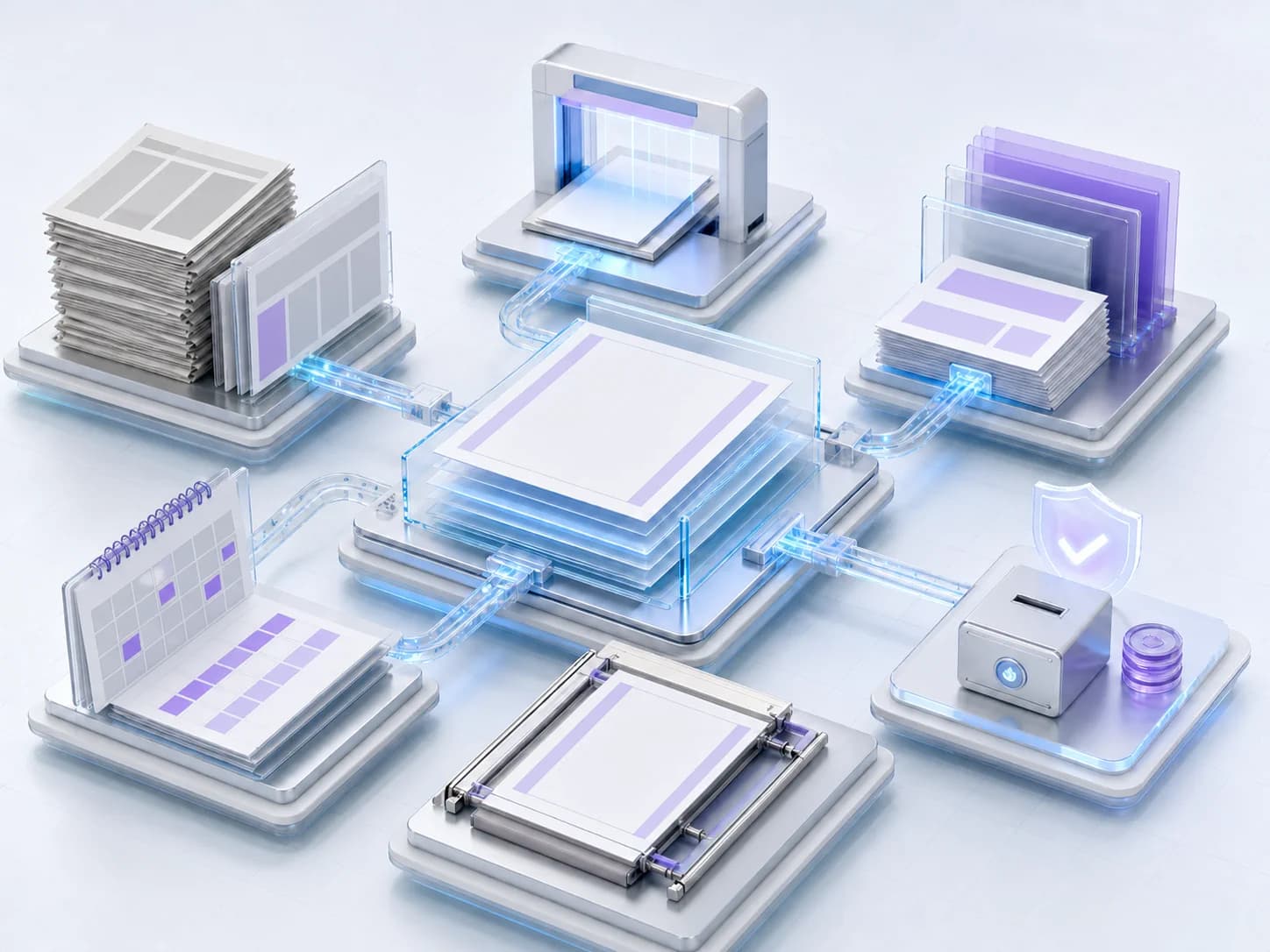 Media & Advertising
Agilico GmbH
An end-to-end platform for media price lists, quotations, publication planning and production-ready ad orders
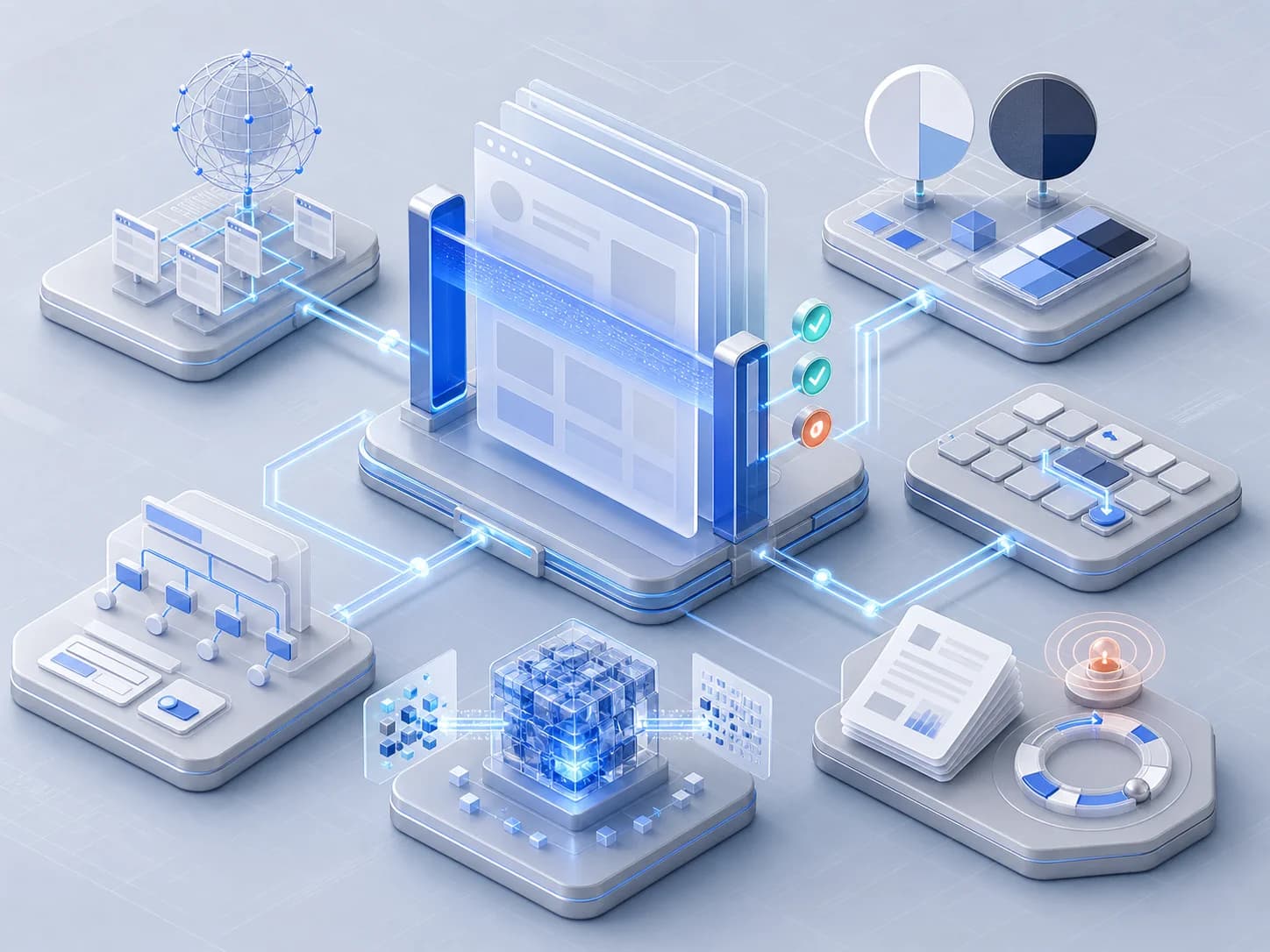 Compliance & Accessibility
Prevision UG (haftungsbeschränkt)
Automated BFSG and WCAG 2.2 AA testing with multi-level website scans, actionable findings and documented reports
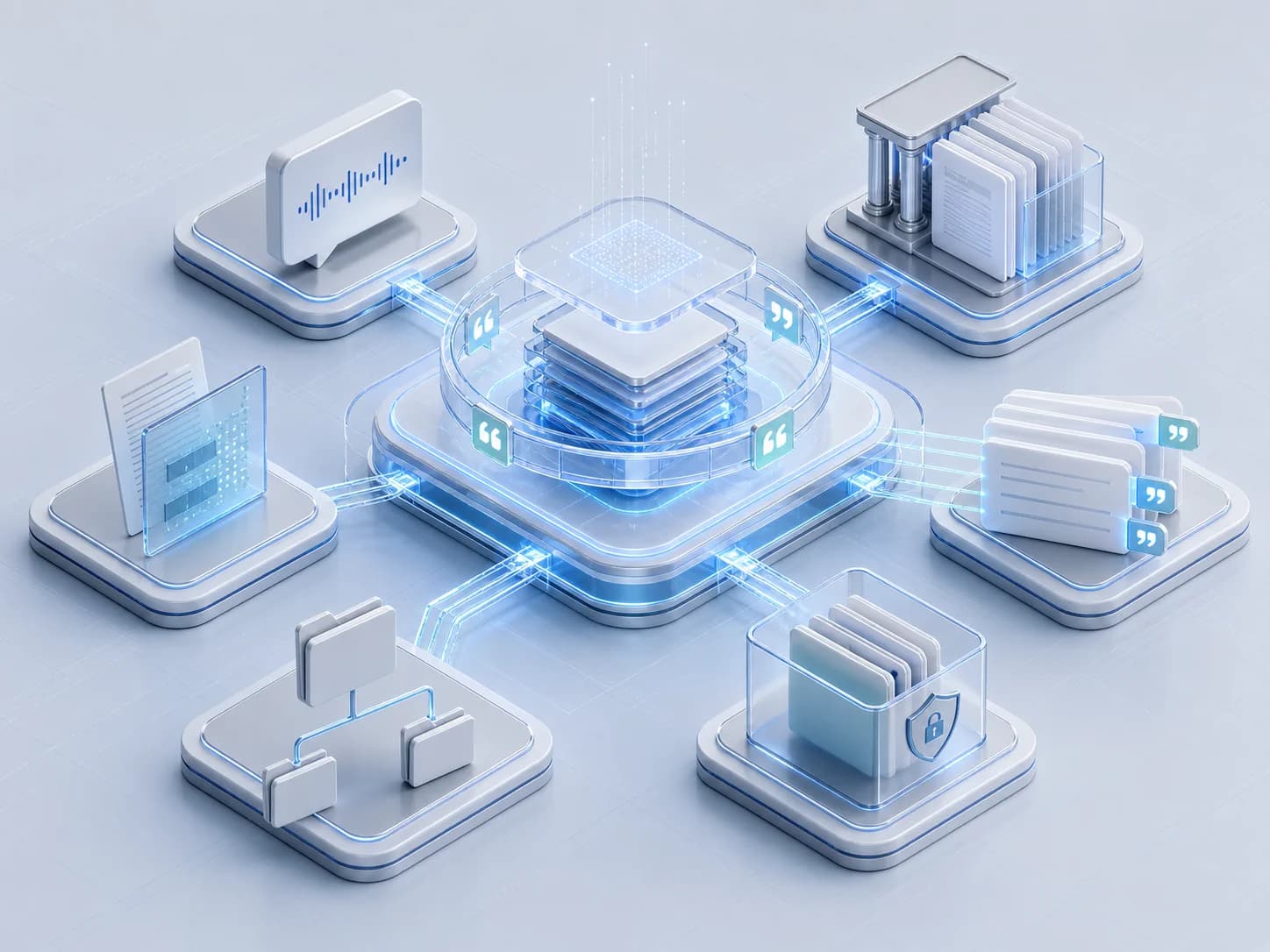 Legal Tech & Law
Anita Legal GmbH
Source-grounded legal AI research with court decisions, traceable citations, a private library and case files
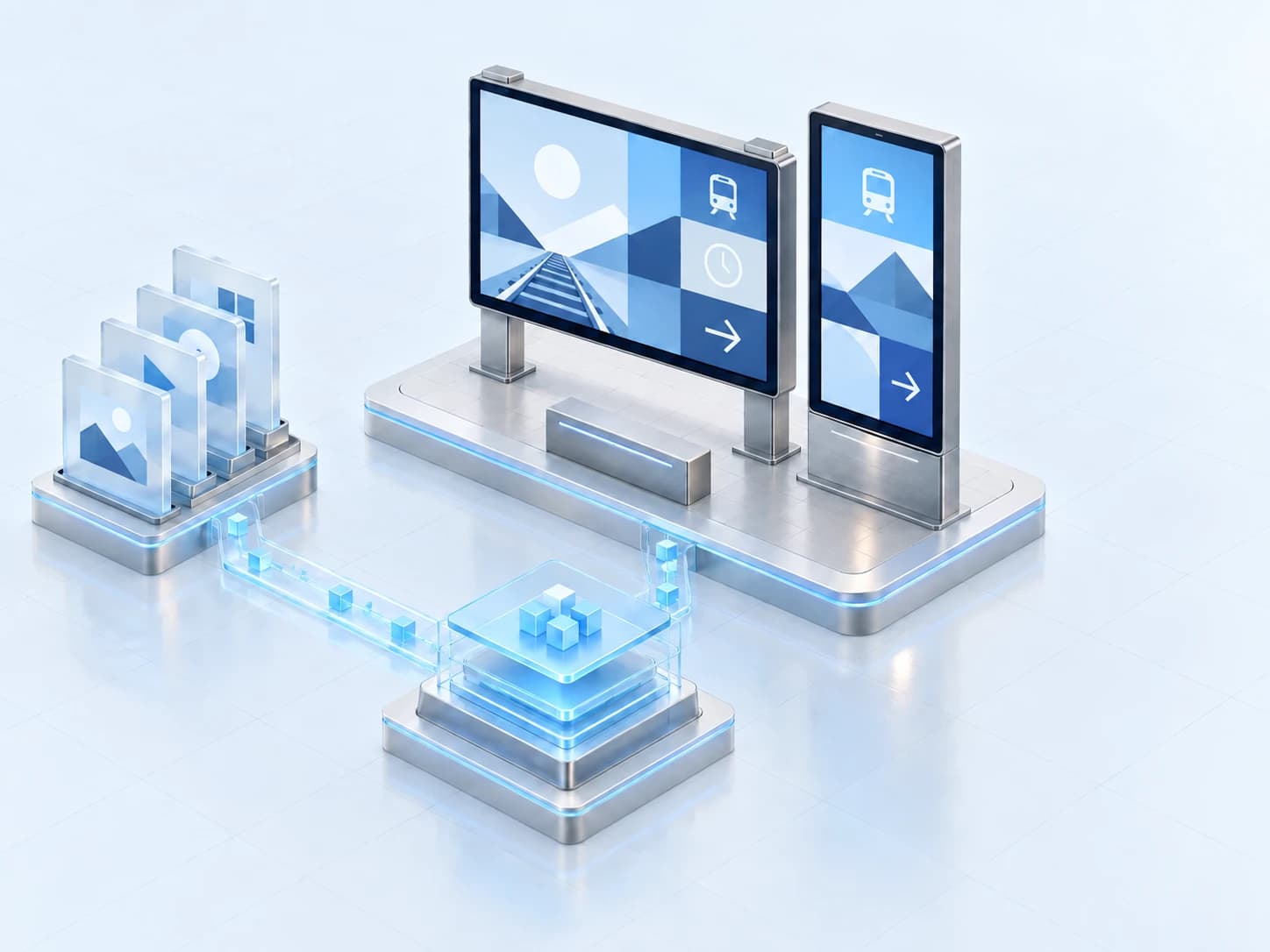 Mobility & Transport
Deutsche Bahn
Extending a Directus CMS and Next.js frontend to deliver content to digital signage displays
Frequently asked questions
Effort depends on scope, integrations, security requirements and existing systems, so we do not quote flat prices. In a free 30-minute call, we assess your project. You then receive a transparent proposal covering approach, milestones and billing.
Your team typically works with a first version within 3 to 6 weeks, depending on scope and the integrations required. That version covers a clearly defined part of the process and is then extended step by step. We only commit to a date once the scope is clear.
If an established standard product covers your process without major detours, we will recommend it. Custom software pays off when the process sets you apart from competitors or when adapting standard software creates more effort than it saves. A combination often makes sense: standard software for accounting or CRM, a custom application for the core process.
Yes. We start with a review of code, architecture and deployment, then tell you openly what can be extended and where rework is needed. For Deutsche Bahn, for example, we support the ongoing development of an existing digital signage application built on Directus and Next.js.
You do. You receive the complete, documented source code, and there is no artificial lock-in. Because we use widely adopted technologies, another team or your own IT department can continue the application at any time.
Initial consultation
Describe the workflow that currently lives in spreadsheets or workarounds. In a free 30-minute initial call, the founders tell you whether a custom application makes sense and what a first version could look like. We reply to every inquiry within 24 hours.
More services
Protected portals for customers, dealers and members: orders, bookings and documents as self-service, with clear roles and permissions.
Learn moreAPI integrations, ERP and accounting connections, PDF imports and automated jobs that move data reliably between your systems.
Learn moreWCAG 2.2 AA audits, fixes in the source code and automated CI checks for web apps, portals and online shops that fall under Germany's BFSG.
Learn moreBackend experience from Germany's ePA, an appointment platform for a practice network, and architectures that account for GDPR Article 9 and Section 393 SGB V.
Learn more